

EMDR
Eye Movement Desensitisation and Reprocessing
Many people come to therapy feeling overwhelmed, stuck in patterns, or unsure how to manage strong emotions. These struggles often come from past experiences where trauma, loss, or unmet emotional needs have affected how you relate to yourself and others. EMDR can support children, teenagers, adults, and even families who want to process distressing memories, ease emotional intensity, and regain a sense of control, confidence, and safety. ThrivePath works with clients whose emotional regulation, relationships, or daily functioning have been affected by trauma, migration, conflict, or major life transitions.
Who It Can Help?
EMDR is a gentle, evidence-based therapy that helps your brain naturally process distressing memories. You don’t need to fully relive painful experiences. Instead, EMDR guides your brain to reprocess them safely using bilateral stimulation, such as guided eye movements, gentle taps, or alternating sounds. This helps the brain sort through memories, release emotional intensity, and integrate experiences more healthily.
Recognised by the World Health Organization for treating PTSD and approved by Medicare Australia, EMDR doesn’t require long, detailed discussions about your past. It works with your brain’s natural healing process. Over time, many people notice a decrease in flashbacks, nightmares, anxiety, and emotional distress, alongside greater confidence, emotional balance, and resilience. EMDR can help you feel more in control of your emotions and reconnect with a sense of safety and wellbeing
What is EMDR Therapy?


Unlike therapies that rely on revisiting every detail of the past, EMDR works with your brain’s natural ability to heal. It allows you to acknowledge experiences, release emotional weight, and move forward. Many clients notice reductions in anxiety, flashbacks, and distress, alongside increased confidence, resilience, and emotional balance. EMDR helps you feel calmer, more centred, and better able to manage everyday challenges.
Why It Matters?


EMDR is adaptable for all ages; children, teens, adults, and families. It can support a wide range of challenges, including:
Anxiety & Phobias – easing everyday fears and stress
Trauma & PTSD – reducing the impact of painful memories
Depression – improving mood and emotional balance
Addiction – addressing triggers linked to past experiences
Dissociation – supporting self-awareness and reconnection
Sexual Assault & Trauma – aiding recovery from distressing events
Grief & Loss – assisting emotional recovery
Chronic Pain & Illness – processing emotional effects of health challenges
Eating Disorders – managing emotional triggers
Performance Anxiety – boosting confidence at work, school, or sport
Sleep Issues – improving rest after trauma
EMDR sessions are guided at your pace, ensuring comfort and safety. Many clients notice new insights, reduced negative self-beliefs, stronger relationships, and improved confidence
How EMDR Therapy Can Help You ?


EMDR Therapy at ThrivePath offers a compassionate, trauma-informed space to explore and heal safely. With evidence-based support and a strong therapeutic relationship, you can process past trauma, regain emotional balance, and move towards a safer, more connected life.
Taking the Next Step
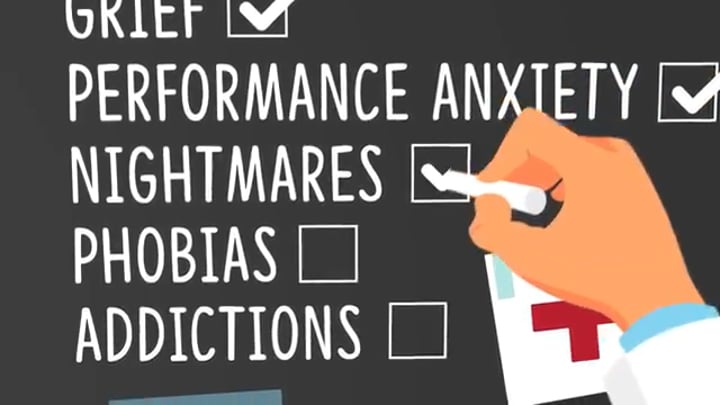
For a short, easy-to-understand overview of EMDR therapy, watch this video from the EMDR Association of Australia (EMDRAA)